Why Does My Circuit Breaker Keep Tripping? 7 Common Causes
Does your circuit breaker keep tripping? Learn the most common causes, the warning signs you should not ignore and when to request a professional electrical inspection in Costa Rica.
A circuit breaker that trips is not necessarily damaged. In most cases, it is doing its job by disconnecting the electrical supply when it detects a condition that could overheat the wiring, damage equipment or create a safety risk.
However, a breaker that trips repeatedly should not be ignored or reset over and over again.
The cause should be identified before the circuit is returned to normal use.
What does it mean when a circuit breaker trips?
A circuit breaker is a protective device that automatically disconnects a circuit when it detects abnormal electrical conditions.
It may trip because of:
- An overloaded circuit.
- A short circuit.
- A ground fault.
- A defective appliance.
- A loose or overheated connection.
- High starting current from a motor.
- A damaged or incorrectly selected breaker.
The timing of the trip can provide useful information.
A breaker that trips after several minutes may indicate an overload. A breaker that trips immediately may indicate a short circuit, damaged wiring or a serious equipment fault.
1. An overloaded circuit
An overload occurs when the equipment connected to one circuit draws more current than the wiring and breaker are designed to carry safely.
This can happen when several high-consumption appliances operate at the same time, such as:
- A microwave.
- An air fryer.
- A coffee maker.
- An electric cooktop.
- A water heater.
- An air conditioner.
- Other kitchen or heating appliances.
A common sign of an overload is that the breaker trips several seconds or minutes after multiple appliances are turned on.
Disconnecting one appliance may temporarily stop the problem, but frequent overloads indicate that the circuit and load distribution should be reviewed.
Some appliances may require a dedicated circuit.
2. A short circuit
A short circuit occurs when conductors that should remain separated come into contact or create a path with very low electrical resistance.
This can produce a sudden increase in current and usually causes the breaker to trip immediately.
Possible causes include:
- Damaged wiring.
- Deteriorated insulation.
- Loose terminals.
- Burned outlets.
- Incorrect electrical connections.
- Damaged appliances.
- Conductors pinched during remodeling work.
If the breaker trips immediately after being reset, do not continue trying to turn it on.
Leave the affected circuit off and request an electrical inspection.
3. A ground fault
A ground fault occurs when electrical current follows an unintended path toward ground, a metal enclosure or another conductive surface.
This type of fault may cause small electrical shocks when touching:
- Appliances.
- Computers.
- Refrigerators.
- Washing machines.
- Metal desks.
- Faucets.
- Other metal equipment or surfaces.
Possible causes include damaged insulation, moisture, incorrect wiring or an inadequate grounding system.
If anyone receives an electrical shock, even a small one, stop using the affected equipment and request a professional inspection.
Do not remove the grounding pin from a plug or use an adapter to bypass it.
4. A defective appliance or piece of equipment
Sometimes the problem is not the electrical installation itself. A defective appliance may cause the breaker to trip whenever it is connected or turned on.
This can happen with:
- Air conditioners.
- Refrigerators.
- Washing machines.
- Water heaters.
- Pumps.
- Microwaves.
- Motors.
- Power tools.
Without opening the equipment or touching internal wiring, you may disconnect appliances from the affected circuit and observe whether the breaker trips again.
If the problem appears only when one specific appliance is connected, that equipment should be inspected before it is used again.
5. Loose or overheated electrical connections
A loose electrical connection can create heat, electrical arcing and intermittent failures.
Loose or damaged connections may be found in:
- Outlets.
- Switches.
- Junction boxes.
- Lighting fixtures.
- Electrical panels.
- Circuit breaker terminals.
- Appliance connections.
Warning signs include:
- A burning smell.
- Buzzing or crackling sounds.
- Discoloration.
- Melted plastic.
- Sparks.
- A hot outlet, switch or breaker.
Do not remove the electrical panel cover to look for the problem.
Hazardous voltage may still be present inside the panel even when some breakers are turned off.
6. High starting current from motors and equipment
Some equipment draws a larger amount of current during startup.
This is common with:
- Air conditioners.
- Water pumps.
- Compressors.
- Refrigerators.
- Motors.
- Power tools.
If the wiring, breaker or circuit is not suitable for the equipment, the breaker may trip during startup.
The solution is not automatically installing a breaker with a higher amperage.
The conductor size, equipment specifications, electrical load and protective device should be evaluated first.
Installing a larger breaker without verifying the wiring can create a serious overheating risk.
7. A damaged breaker or incorrect installation
A circuit breaker can eventually become damaged, worn or unreliable.
It may also be:
- The wrong model for the electrical panel.
- Incorrectly sized for the circuit.
- Poorly connected.
- Damaged by overheating.
- Affected by corrosion or moisture.
- Protecting wiring that is not appropriate for its amperage.
A breaker should never be replaced with a larger one simply to prevent it from tripping.
The breaker protects the wiring. Increasing its capacity without evaluating the conductors may allow the wiring to overheat without disconnecting the circuit.
What can you safely check?
Without opening an electrical panel or touching exposed conductors, you can:
1. Identify which lights, outlets or equipment lost power.
2. Disconnect the appliances connected to the affected circuit.
3. Check plugs, cords and outlets for visible damage.
4. Wait a few minutes.
5. Reset the breaker one time.
If it trips again, leave it off and request an electrical inspection.
Do not repeatedly reset a breaker that will not remain on.
Warning signs that require immediate attention
Contact a professional if:
- The breaker trips immediately.
- It trips several times in one day.
- The main breaker trips.
- There is a burning smell.
- The electrical panel makes unusual sounds.
- An outlet, switch or breaker becomes hot.
- There are black marks or melted plastic.
- Sparks are visible.
- Someone receives an electrical shock.
- Part of the property repeatedly loses power.
- The problem started after remodeling or electrical work.
- Moisture is present near electrical components.
These signs may indicate damaged wiring, overheating, incorrect protection, a defective appliance or a serious connection problem.
Circuit breaker problems in homes and rental properties
A tripping breaker can be especially disruptive in:
- Airbnbs.
- Vacation homes.
- Condominiums.
- Offices.
- Stores.
- Restaurants.
- Managed properties.
Guests or tenants may only report that the power stopped working, without identifying which equipment was operating when the problem appeared.
Useful information for a diagnosis includes:
- Which breaker tripped.
- What equipment was operating.
- Whether the breaker trips immediately or after several minutes.
- Whether there is a burning smell or unusual sound.
- Whether the problem happens only with one appliance.
- Photographs of the panel and affected equipment, when they can be taken safely.
Do not remove electrical panel covers or touch exposed wiring to take photographs.
Do you need an electrical diagnosis?
At Control Eléctrico CR, we perform electrical inspections and diagnostics to identify why a circuit breaker is tripping.
Depending on the situation, we may evaluate:
- Circuit loads.
- Electrical connections.
- Breaker condition.
- Visible wiring conditions.
- Grounding problems.
- Possible overheating.
- Equipment connected to the circuit.
- Previous electrical modifications.
We provide electrical services for homes, businesses, condominiums, Airbnbs and managed properties in Costa Rica.
Communication is available in English and Spanish.
Contact Control Eléctrico CR
Send us a WhatsApp message with:
- Your location.
- A description of the problem.
- The equipment that was operating.
- How often the breaker trips.
- Photographs or videos, if they can be taken safely.
- The name of the person who can provide access to the property.
We will review the information and help you coordinate the next steps.
Do not repeatedly reset a circuit breaker that continues to trip. Leave the affected circuit off when there are signs of overheating, damaged wiring or an immediate electrical fault.
Examples of electrical faults
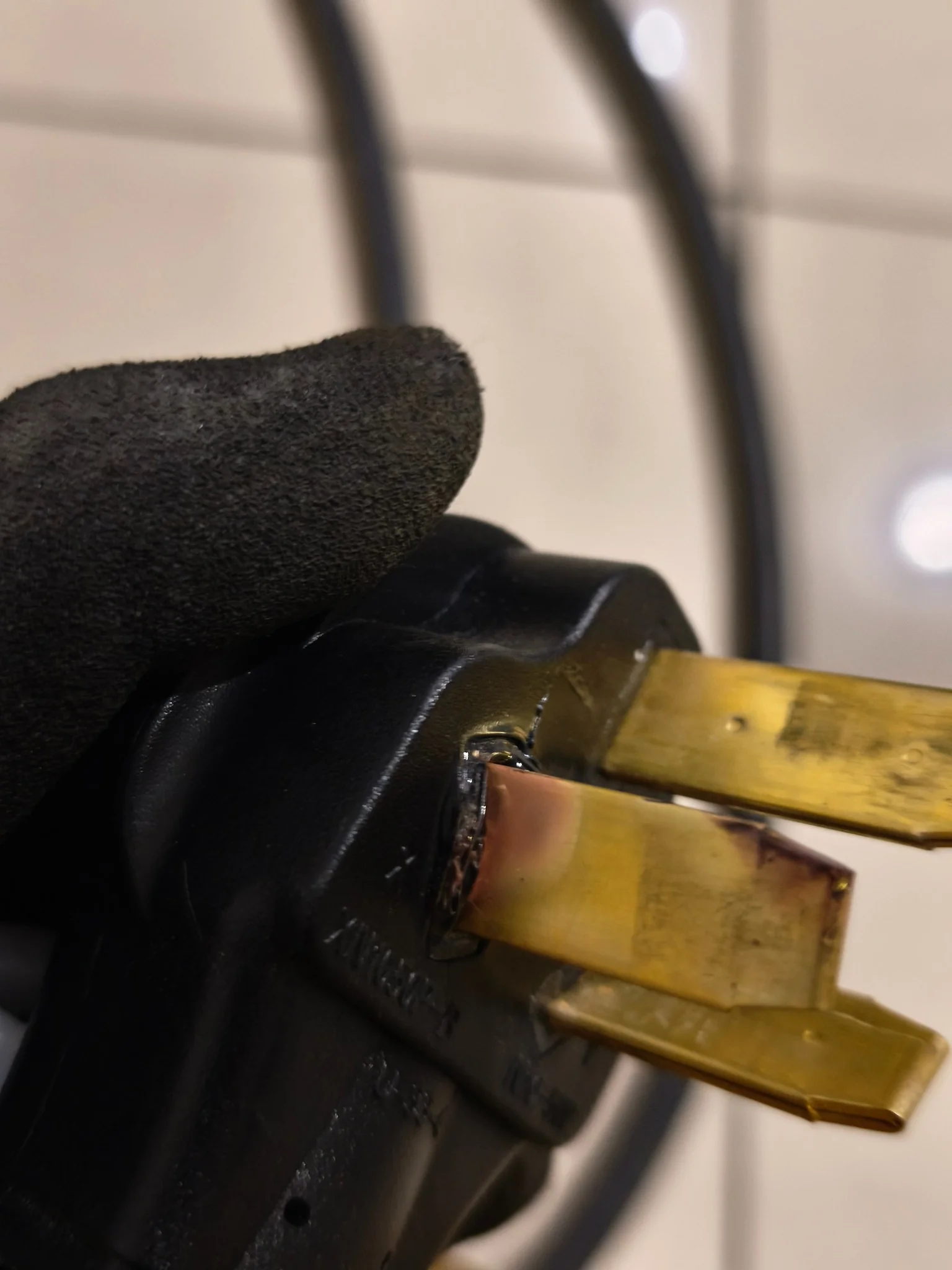
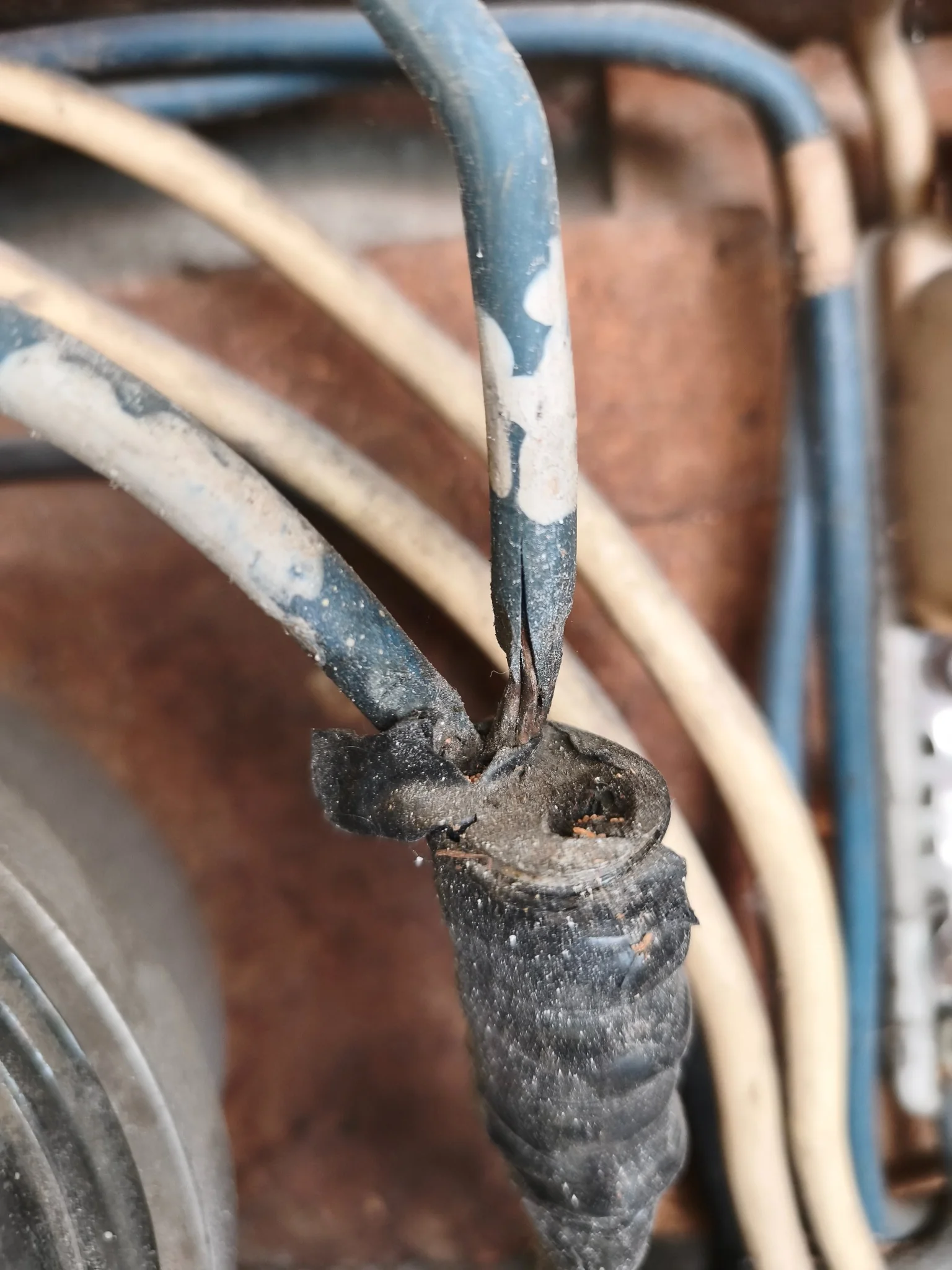
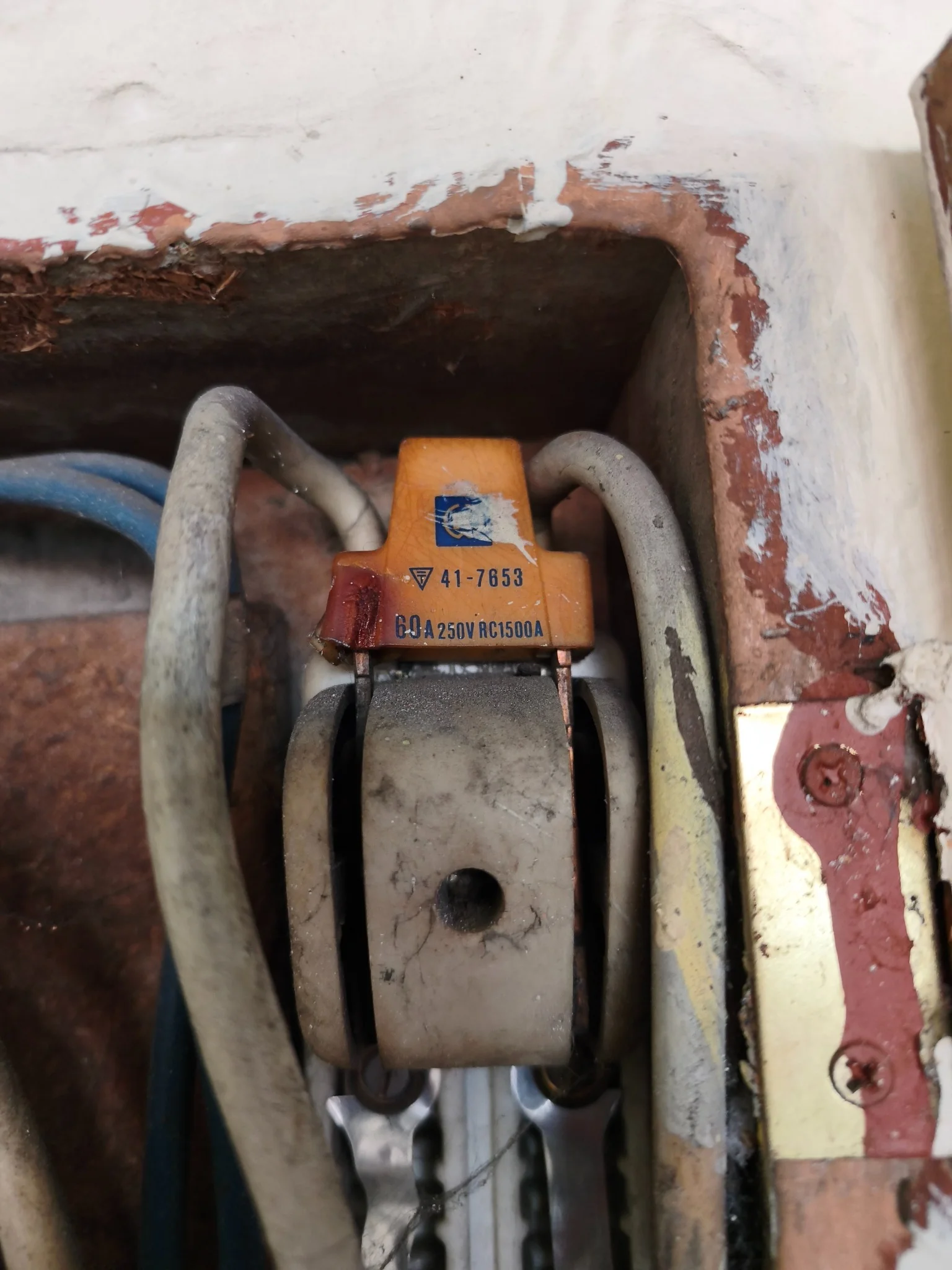
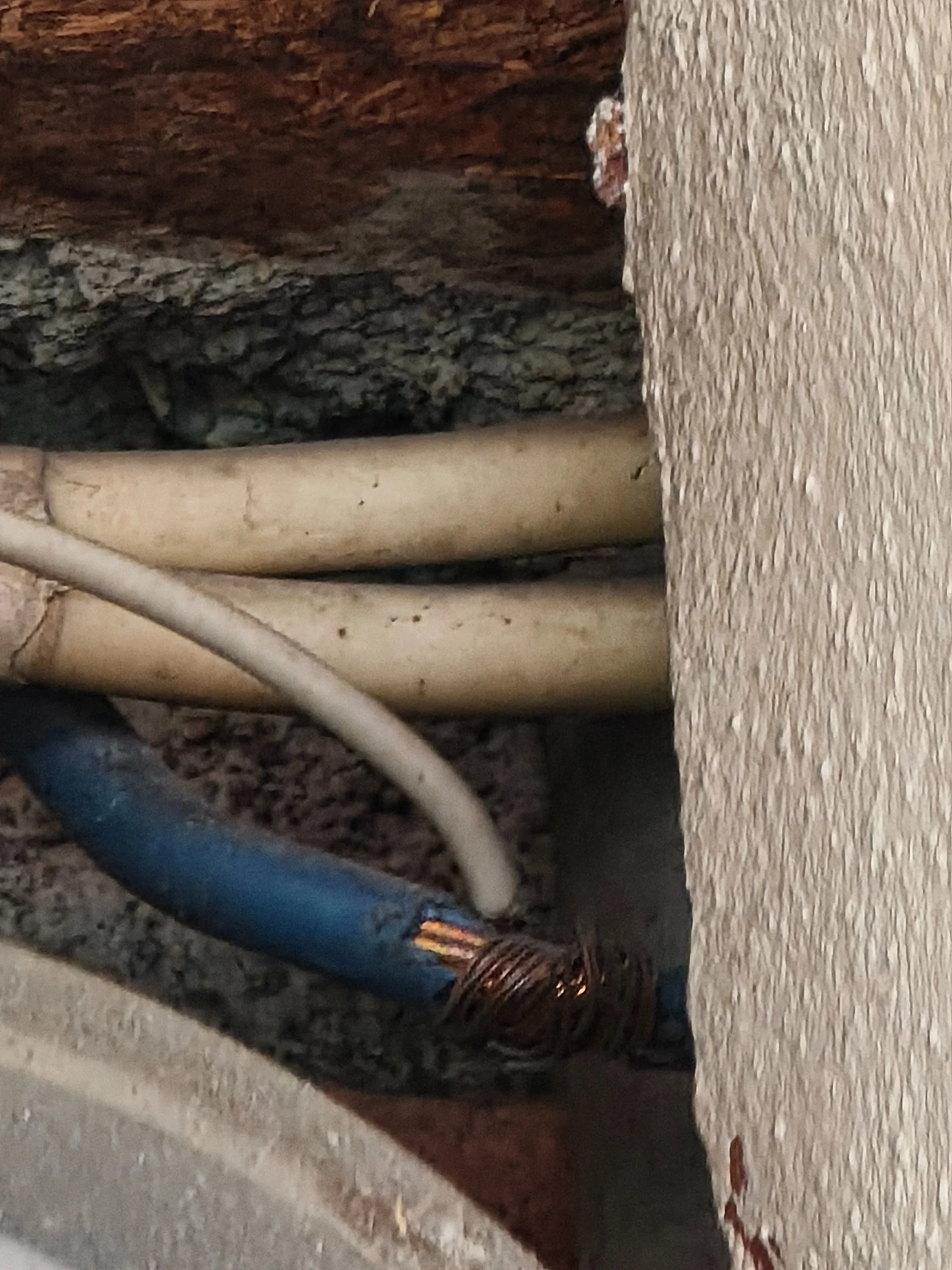
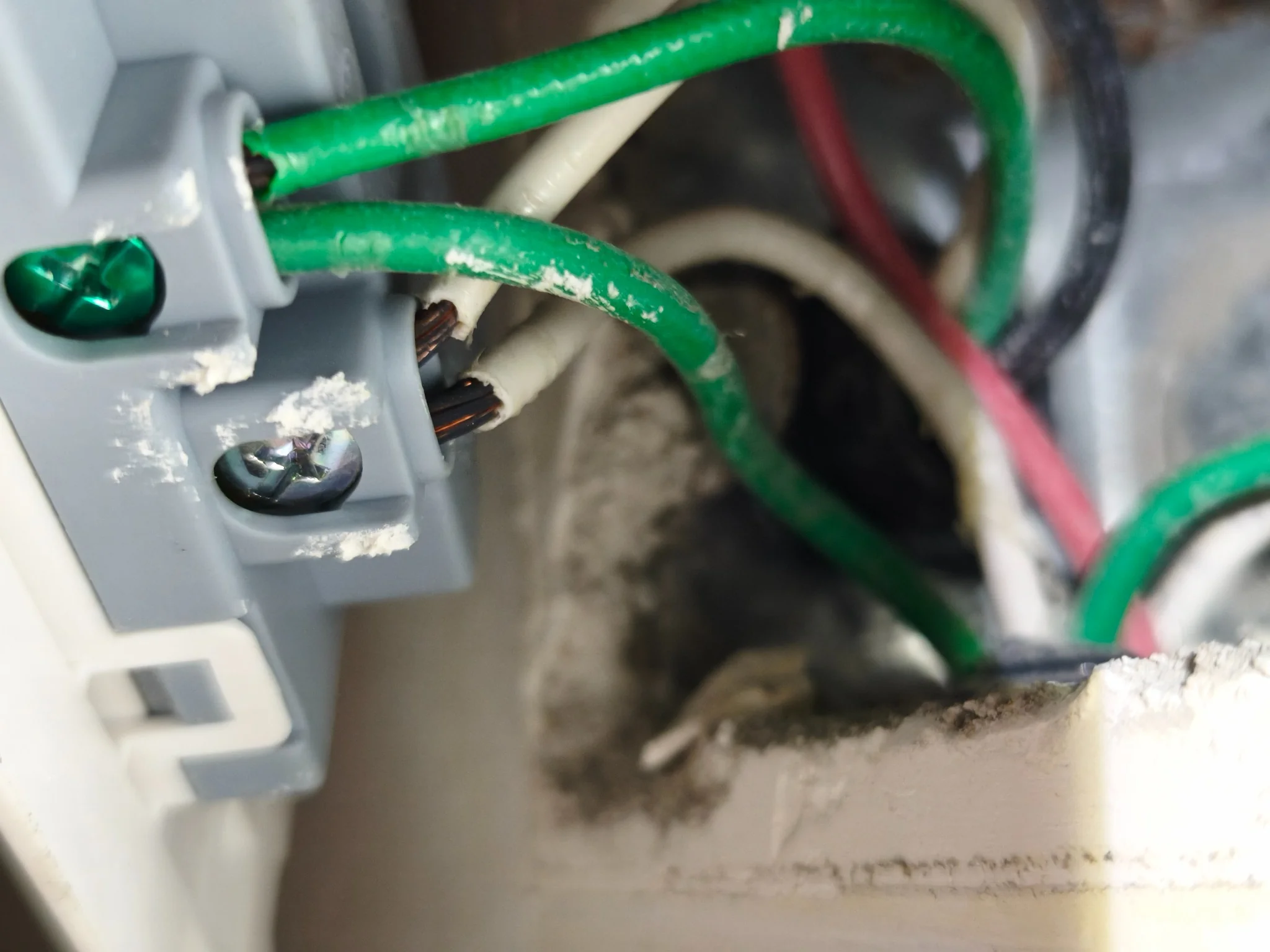
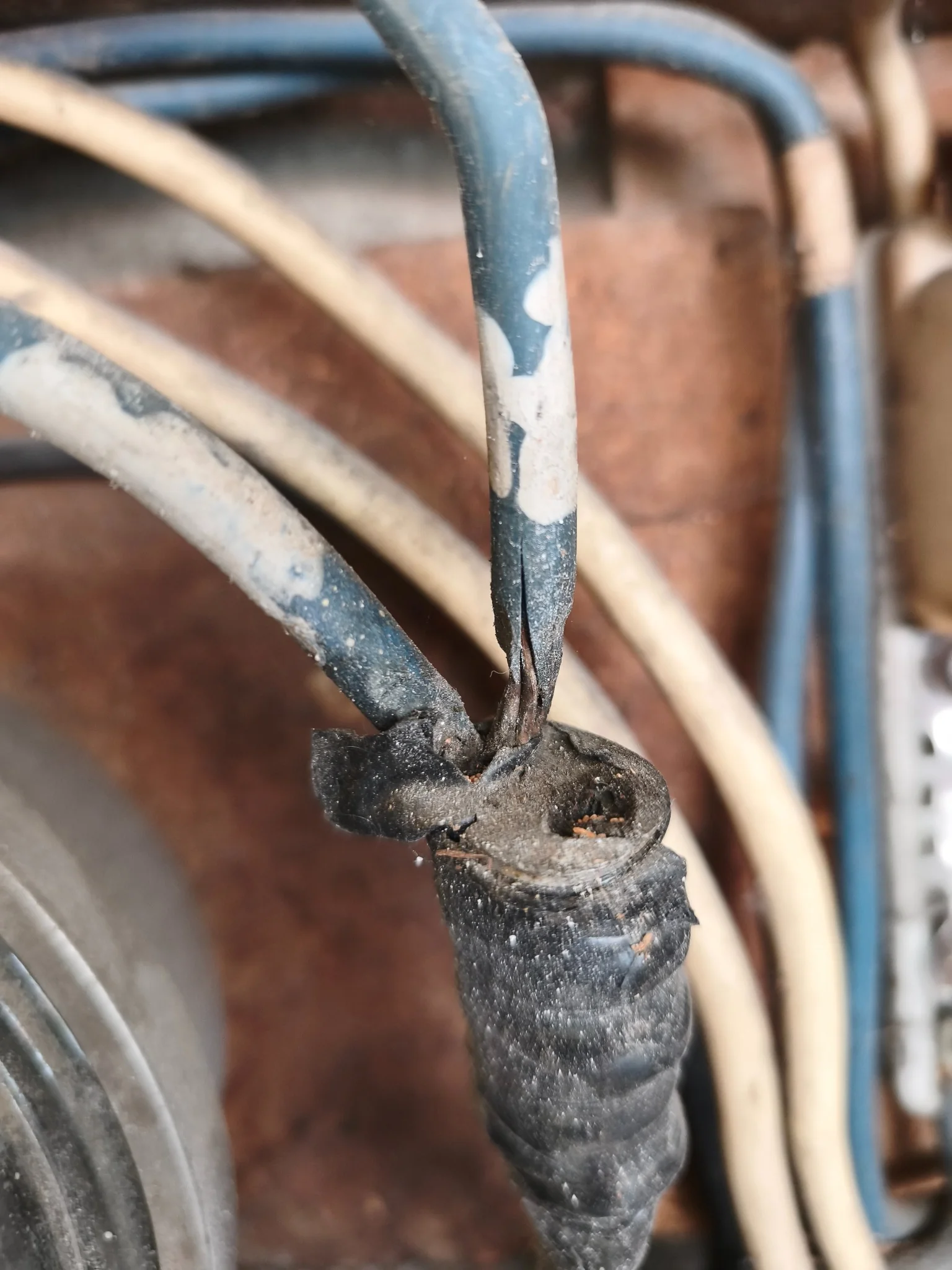
The following photographs show real examples of damaged conductors, deteriorated connections, grounding components and electrical installations that require professional inspection.
An electrical fault is not always visible from the outside. Measurements and a complete circuit evaluation may be necessary before replacing a breaker or returning the installation to service.
Galería